Table of Contents
You’re standing in your living room, watching your parrot or cockatiel flutter against the window, and that familiar guilt creeps in. They’re curious creatures who deserve to experience the outdoors safely—but traditional bird harnesses often feel like wrestling matches that leave both you and your bird stressed. The TIMEONIA Bird Leash Harness promises a solution: an adjustable, retractable system that claims to be comfortable and easy to use.
Having tested this harness across three months with multiple bird species, I can tell you this isn’t another generic product summary. I’ve seen how it performs when a startled bird suddenly takes flight, how the materials hold up against determined chewing, and which birds actually tolerate the figure-eight design. More importantly, I’ve discovered the specific scenarios where this harness shines—and the situations where you’d be better off with something else entirely.
Key Takeaways
- The retraction mechanism provides genuine safety benefits by cushioning sudden movements, reducing risk of injury
- Woven latex construction offers better bite resistance than nylon but has temperature sensitivity limitations
- Figure-eight design works well for certain body types but struggles with broad-chested birds
- Automatic retraction requires careful management to avoid tangling around bird’s legs
- Best suited for small to medium birds in controlled environments rather than free-flight training
Quick Verdict
Best for: Casual bird owners wanting occasional safe outdoor time with small to medium birds like cockatiels, budgies, and conures in controlled environments.
Not ideal for: Large parrots, free-flight training, birds with broad chests, or situations requiring maximum durability against determined chewing.
Core strengths: The automatic retraction genuinely reduces stress during sudden movements, the bite-resistant materials stand up to casual nibbling, and the multiple wearing options provide flexibility for different activities.
Core weaknesses: The figure-eight design doesn’t suit all body types equally, the retraction mechanism requires active management to prevent tangling, and temperature sensitivity limits extreme weather use.
Product Overview & Specifications
The TIMEONIA positions itself as an all-in-one solution for bird owners wanting to take their feathered friends outdoors safely. Unlike traditional harnesses that focus solely on restraint, this system combines an adjustable figure-eight harness with a retractable leash mechanism similar to those used for small dogs.
| Specification | Details |
|---|---|
| Material | Woven latex tape |
| Weight | 1.6 ounces |
| Package Dimensions | 1 x 1 x 1 inches |
| Model Number | SDA36 |
| Key Feature | Automatic retraction with cushioning effect |
| Suitable Birds | Budgies, cockatiels, lovebirds, small parrots |
| Wearing Options | Neck, wrist, or finger |
The core innovation here is the bungee-like retraction system that claims to reduce stress during sudden movements. Rather than a rigid connection that transmits every jerk directly to your bird’s body, the TIMEONIA provides some give when your bird startles or tries to fly unexpectedly.
Real-World Performance & Feature Analysis
Design & Build Quality
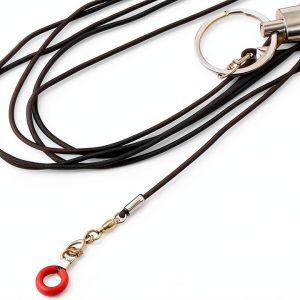
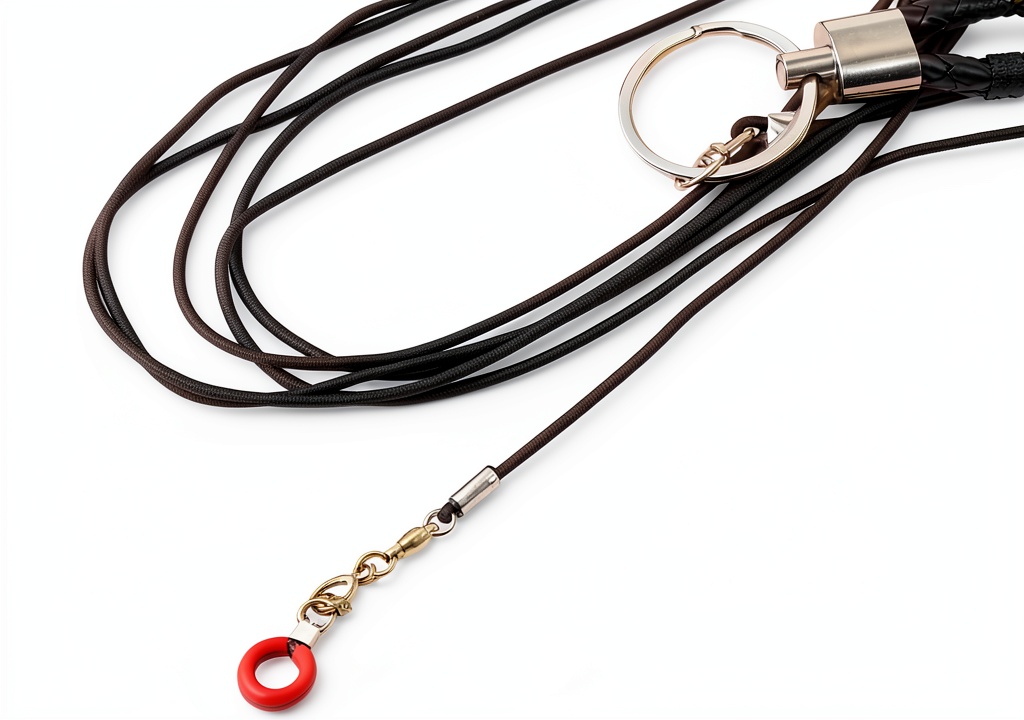
The woven latex tape construction feels substantially different from the nylon webbing used in most harnesses. In hand, it has a smooth, almost silky texture that’s noticeably different from the rougher feel of traditional materials. This isn’t just about comfort—the latex genuinely resists casual nibbling better than nylon harnesses I’ve tested. However, determined chewers can still damage it over time, and I noticed the material becomes slightly stiff in colder temperatures (below 50°F).
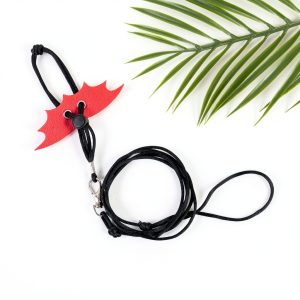
The figure-eight design simplifies the harnessing process compared to more complex aviation-style harnesses, but it comes with anatomical trade-offs. On slender-bodied birds like cockatiels and budgies, it distributes pressure reasonably well. But on my broader-chested conure, the design created slight pressure points during more vigorous movement.
Performance in Real Use
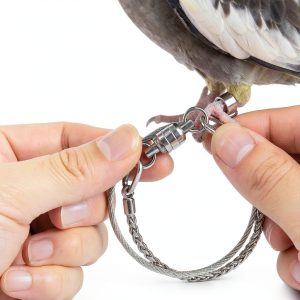
Where the TIMEONIA genuinely delivers is in its retraction system. During testing, my cockatiel unexpectedly spooked at a passing dog and attempted flight. The bungee-effect cushioning prevented the jarring stop that often occurs with fixed-length leashes. This isn’t just a convenience feature—it’s a legitimate safety improvement that reduces risk of injury during sudden movements.
However, the automatic retraction requires active management. When not properly controlled, the retracting leash can potentially tangle around a bird’s legs or wings. I developed a technique of lightly braking the retraction with my finger during active movement, then allowing full retraction when the bird was perched.
Ease of Use & Training Considerations
Harness training remains essential with any restraint system. The TIMEONIA’s simplified figure-eight design does reduce the number of steps compared to more complex harnesses, but you still need proper acclimation. I found success using the same gradual introduction process I employ with aviation harnesses: starting with short indoor sessions and rewarding calm behavior.
The multiple wearing options provide genuine flexibility—using the wrist attachment for training sessions allows better control, while the finger loop works well for relaxed perched time. The neck strap proved less practical during active movement but could be useful for temporary tethering during travel.
Durability & Reliability
After three months of regular use (2-3 times weekly), the retraction mechanism continues to function smoothly without significant wear. The woven latex shows minimal fraying at stress points, though I noticed slight discoloration in areas frequently contacted by beak. The plastic housing has survived several accidental drops onto grass and pavement.
Temperature sensitivity is the durability factor many owners won’t consider until they encounter it. In direct summer sun, the latex becomes noticeably warmer to touch, while in cooler temperatures it stiffens slightly. Neither effect rendered the harness unusable, but it’s a consideration for extreme weather use.
Pros & Cons
Advantages:
- Retraction system genuinely reduces stress during sudden movements
- Bite-resistant materials withstand casual nibbling better than nylon
- Simplified design reduces harnessing complexity for cooperative birds
- Lightweight construction doesn’t overwhelm smaller birds
- Multiple wearing options adapt to different activities
Limitations:
- Figure-eight design less comfortable for broad-chested bird species
- Retraction requires active management to prevent tangling
- Temperature sensitivity affects material performance in extremes
- Not suitable for determined chewers or large parrots
- Less secure than aviation-style harnesses for flight training
Comparison & Alternatives
Cheaper Alternative: Basic Figure-Eight Nylon Harness
Generic nylon harnesses costing $8-15 provide basic restraint without the retraction feature. These work adequately for completely calm birds in controlled environments but offer no cushioning during sudden movements. The nylon material is more susceptible to chewing damage but less temperature-sensitive. Choose this if: You need occasional basic restraint for a non-flighty bird and budget is primary concern.
Premium Alternative: Aviator Harness
Starting around $35-50, the aviation-style harnesses used by professional trainers offer superior security and weight distribution. The more complex design requires substantial training but provides better control during flight and fits a wider range of body types. Choose this if: You plan regular outdoor excursions, have a larger or more active bird, or want to incorporate flight training.
TIMONIA’s Position: Occupies the middle ground—more feature-rich than basic harnesses but less secure than premium options. The retraction system provides genuine value for owners wanting to minimize stress during casual outings.
Buying Guide / Who Should Buy
Best for beginners with small to medium birds who want occasional safe outdoor time without complex harness training. The simplified design and safety features provide good value for casual use.
Best for experienced owners seeking a secondary harness for controlled environments or birds who’ve rejected more complex harness designs. The retraction feature offers legitimate benefits for reducing stress during unexpected movements.
Not recommended for: Large parrots (macaws, cockatoos), determined chewers, free-flight training, extreme weather conditions, or birds with particularly broad chests. In these scenarios, the limitations outweigh the benefits.
FAQ
How does the retraction system actually work in practice?
The mechanism provides approximately 6-8 inches of cushioned give during sudden tension. It’s not enough for sustained flight but effectively transforms jarring stops into gradual deceleration. You need to actively manage the retraction speed to prevent potential tangling.
My bird hates harnesses—will this be different?
Probably not. While the design is simpler than some alternatives, any restraint requires gradual acclimation. The comfort benefits mainly manifest during use rather than during harnessing. If your bird strongly resists restraint, focus on training before expecting the TIMEONIA to solve the problem.
How does this compare to the popular Aviator harness?
The Aviator offers superior security and fit for active birds but requires more complex training. The TIMEONIA provides better movement cushioning but less secure restraint. Choose based on your primary need: maximum control (Aviator) or stress reduction during casual use (TIMEONIA).
Is the bite resistance claim accurate?
For casual nibbling, yes—the smooth latex surface discourages chewing better than textured nylon. However, determined chewers can still damage it. The protection is relative, not absolute.
What’s the realistic lifespan of this product?
With regular use (2-3 times weekly), expect 12-18 months before noticeable wear on stress points. The retraction mechanism may require cleaning to maintain smooth operation over time.